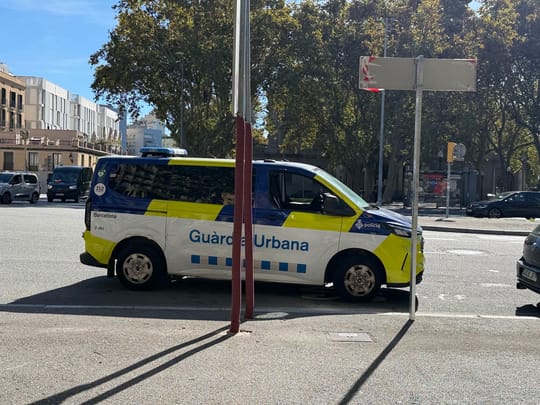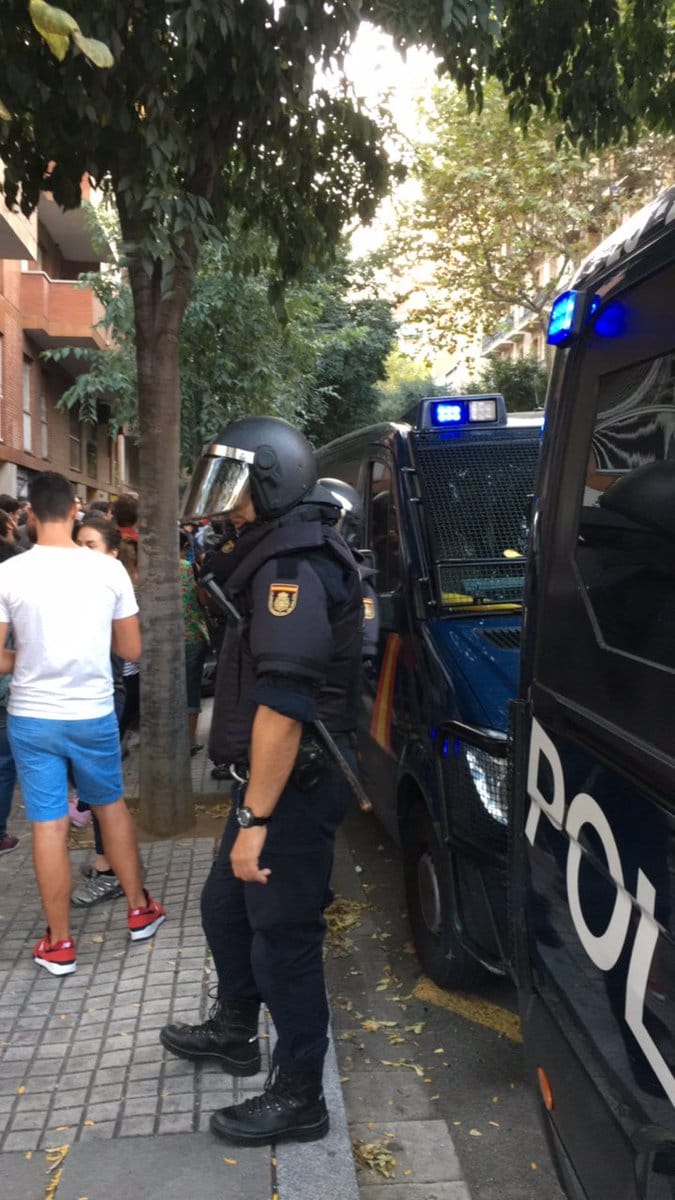
Barcelona City Council has approved the text of a new agreement between the Guàrdia Urbana, the city police, and the Mossos d'Esquadra, Catalonia's regional police, in a move intended to update the coordination framework that has been in place since 2005.
For residents, the immediate effect is not a change to day-to-day policing yet. According to the material discussed in the municipal commission, the agreement is already closed and is now pending formal signature, so any new operational changes are expected after that step is completed.
The measure was reported by Ajuntament de Barcelona, which said the new agreement strengthens coordination between the two forces and replaces a framework that is nearly two decades old.
The new agreement updates the framework in place since 2005 and strengthens the coordination between both police corps.
What the new agreement changes
The current framework was signed in 2005 between Barcelona City Council and the Generalitat de Catalunya. Jordi Martí Galbis, president of the Junts per Barcelona municipal group, said in the commission debate that the existing arrangement reflected a very different urban and social reality from the one Barcelona has now.
He argued that the update is needed to adapt police cooperation to the city's current needs, improve service to the public and increase the city's ability to accept more types of complaints. The source material does not set out the full text of those new powers, so the practical detail of how residents will notice the changes has not yet been published.
What is confirmed is that the agreement is aimed at closer operational coordination between the two corps. For people in Barcelona, that means the city expects better coordination improvements between the Guàrdia Urbana and Mossos once the document is signed and put into effect.
- The existing coordination framework dates from 2005.
- The new text has been approved by the City Council.
- The municipal government told the commission the deal is closed and awaiting formal signature.
Nou Barris focus in wider security reforms
The same commission also backed a separate request from Junts for a comprehensive municipal strategy to address youth gangs, with special attention to Nou Barris. That proposal sits alongside the police coordination agreement as part of broader security reforms under discussion at City Hall, but it is a different measure.
For Nou Barris residents, the practical significance is that the district was singled out for targeted work on youth gang activity. The approved request calls for an updated diagnosis of the problem, coordination between municipal departments, police collaboration with the Mossos, staff and budget resources, action protocols and periodic evaluation systems.
The source text does not give a launch date for that strategy, only that the commission endorsed the proposal.
Separate agreement with prosecutors already signed
The City Council's push for stronger police coordination comes as Barcelona has also formalised another security agreement, this time with the Provincial Prosecutor's Office. In a separate 2025 announcement, the Ajuntament said Mayor Jaume Collboni and the senior prosecutor of Catalonia, Francisco Bañeres, signed a deal to create a new Guàrdia Urbana unit attached to the Barcelona Provincial Prosecutor's Office.
According to the city, that unit is due to become operational at the start of the following year and is intended to speed up the criminal justice response in repeat offending cases. The Ajuntament said it would be the first local police force in Spain to have a unit attached to the prosecution service.
That separate agreement also covers support for urgent judicial procedures, handling key information on police and criminal records in repeat offending cases, and coordination in gender-based and domestic violence cases.
The newly approved Guàrdia Urbana-Mossos text has not yet been signed, but the council approval means the updated framework has cleared a key municipal step.
Primary sources: barcelona.cat, Barcelona City Council, Ramon, ajuntament.barcelona.cat. Reported by Gemma Aguilera, Carlos Márquez Daniel, Jordi Ribalaygue.