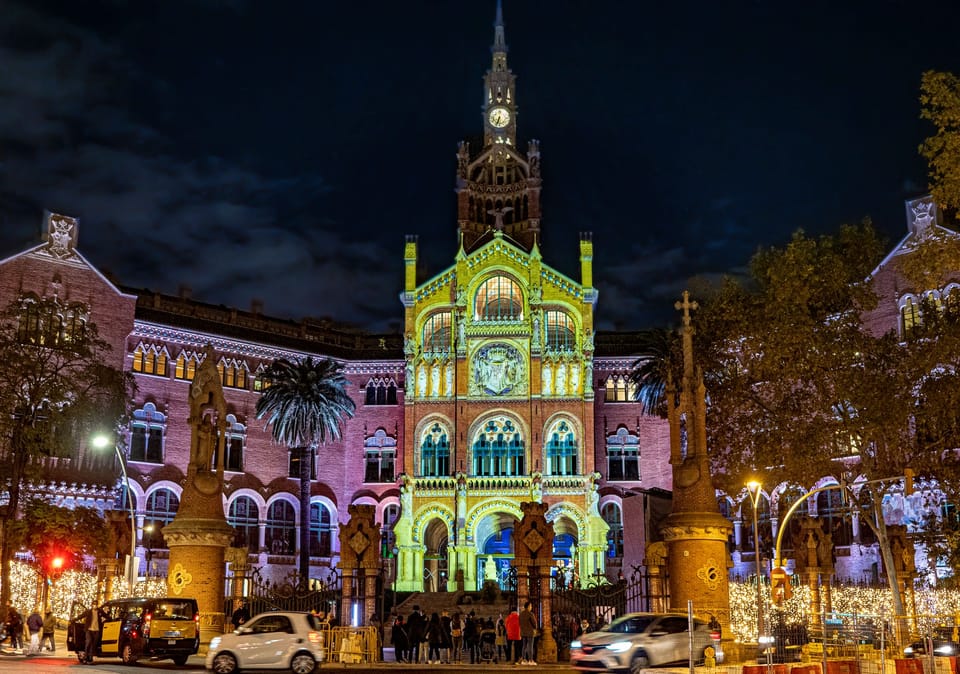
Barcelona has expanded its network of climate shelters to more than 500 spaces across the city in July 2026, almost 100 more than last year, as prolonged heat continues to affect residents. The latest change is the addition of Hospital Sagrat Cor, which becomes the second hospital in the network after Hospital de Sant Pau.
For residents, the immediate effect is practical: there are now more indoor and shaded places to cool down during the hottest hours, including in parts of the city where people may need a nearby refuge rather than travelling far. Older residents, families with babies and young children, pregnant women, people with chronic illness and those who work outdoors should check the Ajuntament de Barcelona climate shelters map and identify the nearest space before temperatures rise further.
The climate shelter network is promoted by the Ajuntament de Barcelona, the city council, and includes libraries, civic centres, schools, museums, parks and other public facilities that offer a safer environment during heat episodes. According to the council’s climate shelters information, these spaces are intended to provide shade, seating, water where available, and temperatures that are more tolerable than the street.
Hospital Sagrat Cor joins the city network
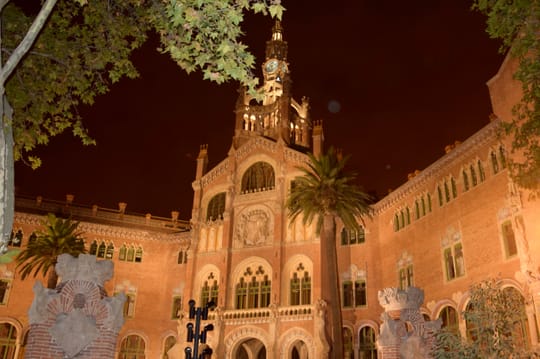
The new addition this summer is Hospital Sagrat Cor, the first private hospital to be incorporated into the network. Until now, Hospital de Sant Pau had been the only hospital listed as a public climate shelter.
The expansion means Barcelona now has two hospitals where members of the public can use designated areas as part of the city’s heat response. That is a notable change in a year when the council says the network has passed the 500-space mark.
Barcelona’s climate shelter network now exceeds 500 spaces distributed throughout the city and, for the first time, includes a private hospital.
The city council’s climate shelters programme has expanded steadily in recent years. Its official information shows the network has grown from earlier summer campaigns with just over 200 spaces to around 350, then nearly 400, and now more than 500 in 2026.
What residents should do during hot days
The shelters are designed for anyone who needs temporary relief from heat, but they are especially relevant for people at higher risk of heat-related illness. In practice, that includes people aged over 75, people with respiratory or cardiovascular conditions, carers, and parents with small children who need an air-conditioned or shaded stop nearby.
- Check the nearest climate shelter on the official city map before leaving home.
- Confirm opening times, as access varies by site and some venues follow their usual public-service hours.
- Use the nearest available indoor facility if you feel unwell from heat, particularly in the early afternoon.
- If symptoms are severe or do not improve, seek medical help rather than staying in a shelter alone.
The council’s network page notes that shelters are spread throughout Barcelona so people can find a space close to home or work. The scheme is part of the city’s wider climate adaptation measures as heatwaves become more frequent and longer lasting.
Residents can check participating sites and their location through the Ajuntament de Barcelona’s official climate shelters network page, which is updated with the current list of spaces available this summer.
Primary sources: barcelona.cat, Barcelona City Council. Reported by lavanguardia.com, Ajuntament de Barcelona, catalannews.com, Rodrigo Marinas, Raquel Navarro, Gerard Pruna, Judith Cutrona, sciencedirect.com, El Periódico Barcelona.