The Barcelona metropolitan area has become less polluting and more reliant on public transport over the past 15 years, while renting has gained ground over home buying, according to L'AMB en xifres 2026. La metròpoli en 100 indicadors, published by Institut Metròpoli with support from AMB, the Barcelona Metropolitan Area public authority that coordinates services across 36 municipalities.
For residents and commuters, the report matters because it tracks changes that affect daily life across Barcelona and its surrounding cities, including air quality, water use, waste, housing and travel patterns. Readers who want municipality-level figures can consult the same Institut Metròpoli publication, which compiles indicators for the metropolitan area and related local trends.
The findings were presented as evidence of what the report describes as notable progress in sustainability across the metropolis. Institut Metròpoli is a public-interest urban research institute that analyses social, economic and environmental data for the Barcelona region.
The transformation of the metropolis of Barcelona over the last 15 years shows remarkable progress in sustainability, according to indicators collected in the annual publication.
Air pollution, water use and waste all moved down
According to the report referenced by Institut Metròpoli and AMB, the metropolitan area improved on several environmental measures between roughly the early 2010s and 2026. The published summary highlights lower air pollution, lower water consumption and less waste generation.
Those shifts are significant for households facing repeated drought restrictions in recent years and for councils under pressure to reduce landfill and treatment costs. The report itself is the primary source for those long-term trends, rather than later summaries by other outlets.
- Air pollution indicators improved over the 15-year period.
- Water consumption fell across the metropolitan area.
- Waste generation also declined, according to the indicator set.
The source material supplied does not give a single consolidated figure in the summary for each of those changes, so the article should be read as a report of the documented direction of travel in the official indicator publication.
Public transport use rises across the metropolitan area
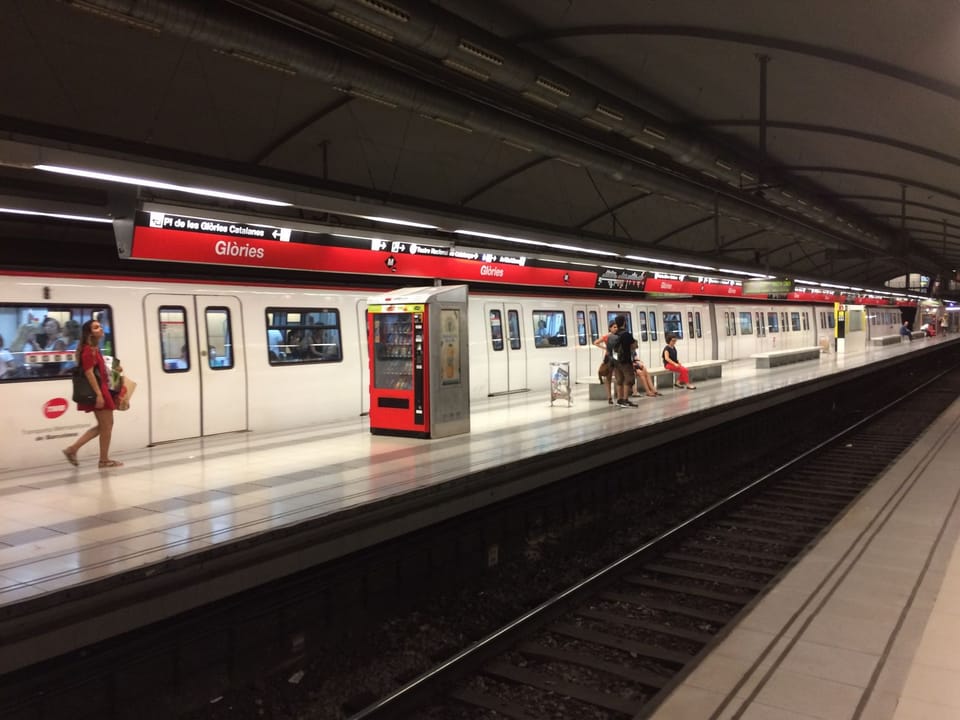
The same report says mobility patterns also changed, with greater use of public transport across the Barcelona metropolis. That is directly relevant to passengers using metro, bus, tram and Rodalies, the Catalan commuter rail network that connects Barcelona with surrounding municipalities.
One linked report based on the metropolitan data said close to half of employed residents in the AMB area already work outside their own municipality. That figure, reported as nearly 50%, was cited separately in coverage of metropolitan labour mobility and points to the growing importance of cross-city commuting within the wider urban area.
Because that employment-mobility number appears in separate reporting tied to the metropolitan dataset, readers should treat it as a related indicator rather than as a headline claim unless consulting the underlying publication directly.
Renting grows while buying loses ground
The report also identifies a housing shift: renting has become more common than buying over the same 15-year period. In a metropolitan area where housing costs remain one of the main concerns for residents, that marks a structural change in how people access housing across Barcelona and nearby municipalities.
The supplied source summary does not specify in the excerpt how large that tenure change is in percentage terms, but it does state clearly that renting has increased relative to owner-occupation. That makes the publication relevant for local councils, planners and residents following debates on housing supply and affordability.
Readers who want the detailed breakdown can use the Institut Metròpoli publication page for the full indicator set and methodology. That is the most direct route to check municipality-specific or topic-specific data where available.
What residents can check next
Anyone wanting the underlying figures can consult the Institut Metròpoli's AMB indicator publication online, where the metropolitan data series are published. Residents comparing trends in housing, commuting, waste or environmental indicators in their own area should look for the relevant municipality and topic within that official dataset.
The report cited is L'AMB en xifres 2026. La metròpoli en 100 indicadors, issued by Institut Metròpoli with support from AMB, the public body for the Barcelona metropolitan area.
Reported by europapress.es, Europa Press, institutmetropoli.cat, elBaix.cat, Vilapress, Ismael Lobo García, Clara RIbas, CatalunyaPress.cat, El Periódico Barcelona.